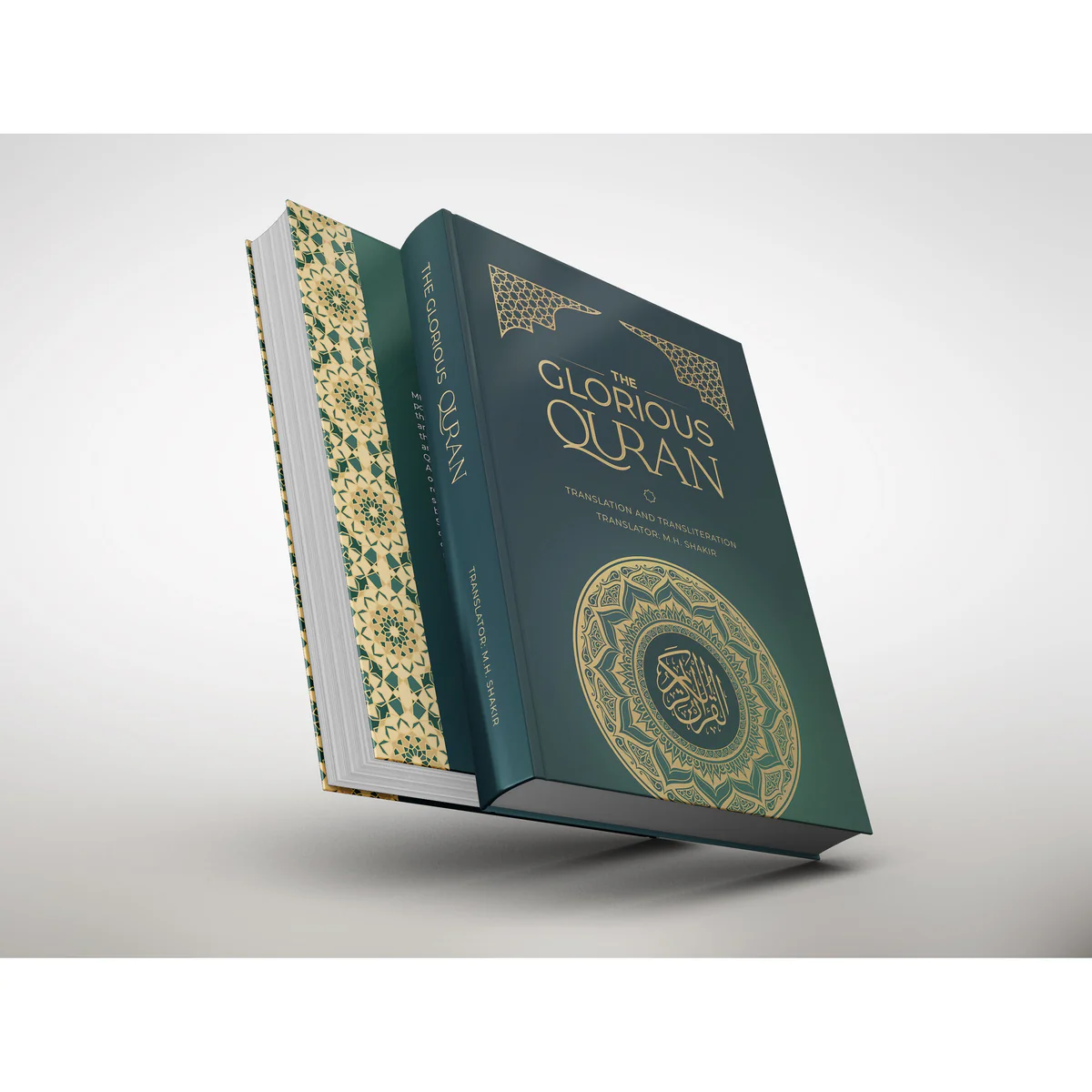
The Quran, regarded by Muslims as the literal word of God revealed to Prophet Muhammad over 1,400 years ago, serves as a comprehensive guide for life. Understanding the Quran involves more than just reading its verses; it requires reflection on its message and teachings within their historical and spiritual context. This sacred text is written in classical Arabic and comprises 114 chapters called surahs, each varying in length and addressing different aspects of faith, morality, law, and guidance.
At its core, the Quran emphasizes the concept of monotheism-the belief in one God who is merciful, all-powerful, and compassionate. It calls humanity to worship God alone while promoting justice, kindness, patience, and humility. The Quran Translation‘s message transcends time by addressing universal themes such as the purpose of life, accountability after death, human dignity, social justice, and ethical conduct.
One fundamental teaching of the Quran is that life is a test where individuals are accountable for their actions. It encourages believers to lead righteous lives by following divine commandments while avoiding harmful behavior like dishonesty or oppression. The text also offers practical advice on personal development including patience during hardship and gratitude during times of ease.
Moreover, the Quran provides detailed guidance on social matters such as family relations-emphasizing respect between parents and children-as well as economic dealings marked by fairness without exploitation. It promotes charity (zakat) as a means to support those in need and foster community solidarity.
Understanding the Quran also involves recognizing its literary beauty which has inspired countless scholars throughout history. Its verses employ various rhetorical devices like metaphors and parables that convey profound meanings beyond literal interpretations. For example, stories about previous prophets serve not only historical purposes but also moral lessons encouraging perseverance in faith despite adversity.
To truly grasp the essence of this holy book requires sincere intention coupled with study under knowledgeable teachers or through reliable translations accompanied by commentary (tafsir). Such efforts help clarify complex passages while preserving respect for original language nuances.
In summary, approaching the Quran with an open heart allows readers from diverse backgrounds to appreciate its timeless wisdom centered around spirituality combined with practical ethics. Whether one seeks religious inspiration or moral guidance applicable today’s world challenges-the Quran remains a source of enlightenment inviting continuous exploration toward understanding humanity’s relationship with its Creator and fellow beings alike.